

Conservation: Doing Your Part
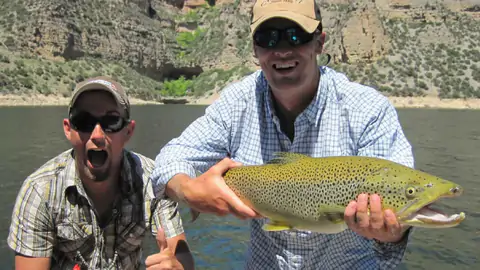
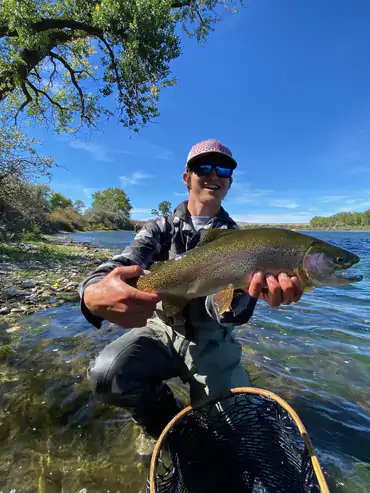
Fishing guides earn a living from public resources, and that comes with a responsibility to protect fish, wildlife, rivers, and public access.In the United States, fish and wildlife are publicly owned. As a fishing guide, you are one of the lucky people who can earn a living from a public resource. Because of that, you have a special responsibility to become involved in the sustainable management of fish and wildlife resources.
Because the public allows guides to earn a living on a public resource, guides also have a heightened responsibility to minimize the impact of their activities on the public, whether those people are fishing or simply enjoying a quiet day on the river. Becoming a steward of the resource and an ambassador for the profession is both good for business and the right thing to do.
How to Become a Steward of the Resource
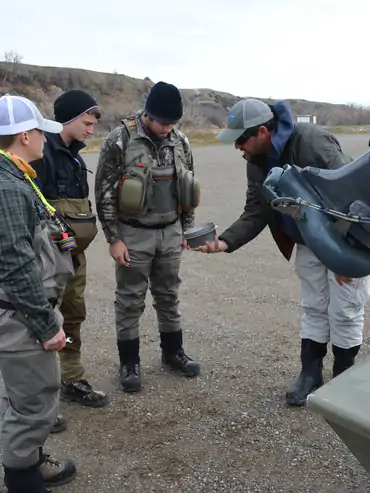
There are a number of nonprofits in the fishing world. The most prominent cold-water conservation organization is Trout Unlimited. Every state in the Union has a chapter, and in fishing regions most towns have them. In Montana, there are chapters in Billings, Livingston, Bozeman, Butte, Missoula, Kalispell, Great Falls, Helena, and Lewistown. Unfortunately, despite the fact guides and outfitters should participate, they generally do not.By joining and participating in local TU chapters, guides have the opportunity to develop relationships with members of the public who are equally committed to long-term management of the resource. That relationship increases your knowledge of the resource you guide on, and consequently makes you a better guide. The community members you get to know through TU can also become advocates for responsible commercial use of public resources when those issues arise.
Other Nonprofits to Consider
Consider supporting the Bonefish and Tarpon Trust, local Rod and Gun clubs, National Wildlife Federation subsidiaries such as the New Mexico Wildlife Federation, the Montana Wildlife Federation, and any local groups actively involved in management of natural resources.
Public Resources Need Public Involvement
Guides make a living on waters owned by everyone. That privilege only works when the outfitting industry and the public act like partners in protecting the resource.
Back to Guide School
Public Resource Management Through Politics
The second important avenue for ensuring that the public resources guides depend upon are carefully managed is politics. While the present political environment turns a lot of people off, it is still where laws are passed that dictate how resources are managed. Think about the Clean Water Act and the Endangered Species Act. These laws protect cold-water resources such as Bristol Bay and Montana's bull trout. They also provide the legal foundation for Montana's remediation economy, which is cleaning up decades-old mining waste, ensuring new development is done responsibly, and helping protect the places that attract guests from around the world.In Montana, the legislature is starting to look at how to balance commercial use, such as guides, with the public's use of the same resource. These are difficult conversations because they often pit the public against businesses that employ fishing guides, hotels, restaurants, and others. Agencies like Montana Fish, Wildlife, and Parks follow legislative guidance when balancing these interests. If guides are not involved in the political process, they may find themselves on the outside looking in as changes are made to how use is balanced between the public and commercial users.
We All Love to Fish
The bottom line is that we all love to fish. Guides are the lucky ones who get to make it a living. It is not a way to get rich, but it is a great way to make a living. Remember, guides make that living on a public resource owned by everyone. It is not ours alone.With the opportunity to earn a living on public resources comes the responsibility to help ensure the resource is properly managed and that the relationship between the public and the outfitting industry is a partnership. Whether you get involved with nonprofits defending public waters or with the political system that makes laws governing those resources, your long-term business interest should compel you to become involved.
Want to talk conservation and guide responsibility? Contact Dan Vermillion, Vice-President of Sweetwater Travel Company, at 406-222-0624 or Dan@SweetwaterTravel.com.